Back
BackMarketing Meets Cybersecurity
Great marketers know that building a brand is only half the job. The other half is protecting it from cyberattacks, data breaches and other threats. When brand reputation is compromised, trust erodes — and with it, customer loyalty.
So, whose job is cybersecurity and data protection? In today’s environment, the answer is simple: everyone’s. From how customer data is collected and shared to where and how ads are placed, marketing teams play a frontline role in safeguarding sensitive information, protecting brand reputation and reducing risk.
What’s at Risk?
The cost of not acting is steep. A single data breach can:
- Weaken your competitive edge
- Damage your reputation
- Affect how customers, investors and partners perceive your brand
And the consequences are lasting. Research shows that one in three customers will stop doing business with a company after a data breach.2
Case in Point: A Costly Customer Data Breach
In 2023, leading email marketing platform Mailchimp suffered a breach after attackers used social engineering to trick employees into revealing credentials. The intruder gained access to internal tools and data from 133 customer accounts, potentially exposing names, email addresses and mailing lists.
Although Mailchimp acted quickly to contain the breach and reassure users that no payment data were compromised, the reputational damage was done. For a brand built on enabling secure, direct communication between businesses and their audiences, the event raised serious concerns about the company’s internal cybersecurity culture.
3 Marketing Steps to Protect Your Brand Reputation Today
To avoid becoming the next cautionary tale, marketing teams should take an active role in protecting brand reputation:
- Secure Strong Partners
Choose marketing partners who meet high security standards and hold them accountable. Ensure they’re trained to handle sensitive data and complete robust internal audits. - Build a Security-Aware Marketing Culture
each your team cybersecurity basics and social engineering risks. Awareness reduces threats to your brand. - Collaborate Cross-Functionally
Work closely with IT, legal and compliance teams to establish policies and response plans. Protecting your brand is a team effort.

“The right marketing partner doesn’t just support your brand; they protect it like it’s their own. With shared values, trust and true alignment, an agency should feel like a trusted extension of your team.”
—Jason Boucher, Vice President of Client Services, ZLR Ignition
Raising the Bar on Brand Security
At ZLR Ignition, we take brand reputation seriously. It’s why we completed the rigorous System and Organizational Controls 2 (SOC 2®) audit, a voluntary, third-party evaluation of our commitment to safeguarding sensitive data. It also measures how well we protect client data.
Some key learnings from our ongoing security practices:
- Ongoing education and awareness are critical to reducing risk.
- Cybersecurity touches everything, from how you share data to
how you deliver campaigns. - Formal, reinforced policies create clarity and accountability
across teams.
It’s a high bar — and one we believe all marketing partners should meet. Why? Because when marketing intersects with data, strong security practices aren’t a nice-to-have — they’re essential.
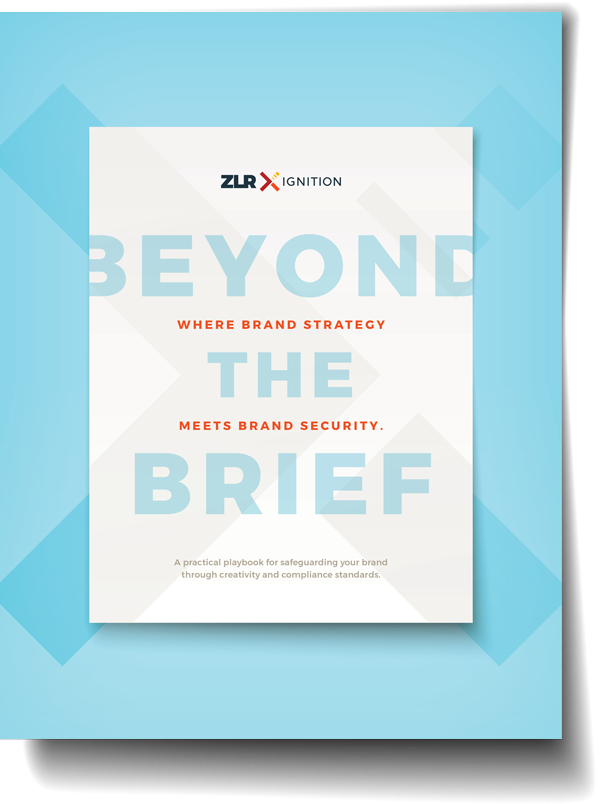
Protecting your brand requires more than checking the cybersecurity box. Download our free white paper to get the full picture of today’s brand threats and how to help keep your reputation resilient.
Sources
- Gartner, 2025
- Ponemon Institute, 2017
- Forrester, 2024
Let’s
Let’s




303 Watson Powell Jr Way, Suite 100
Des Moines, IA 50309